


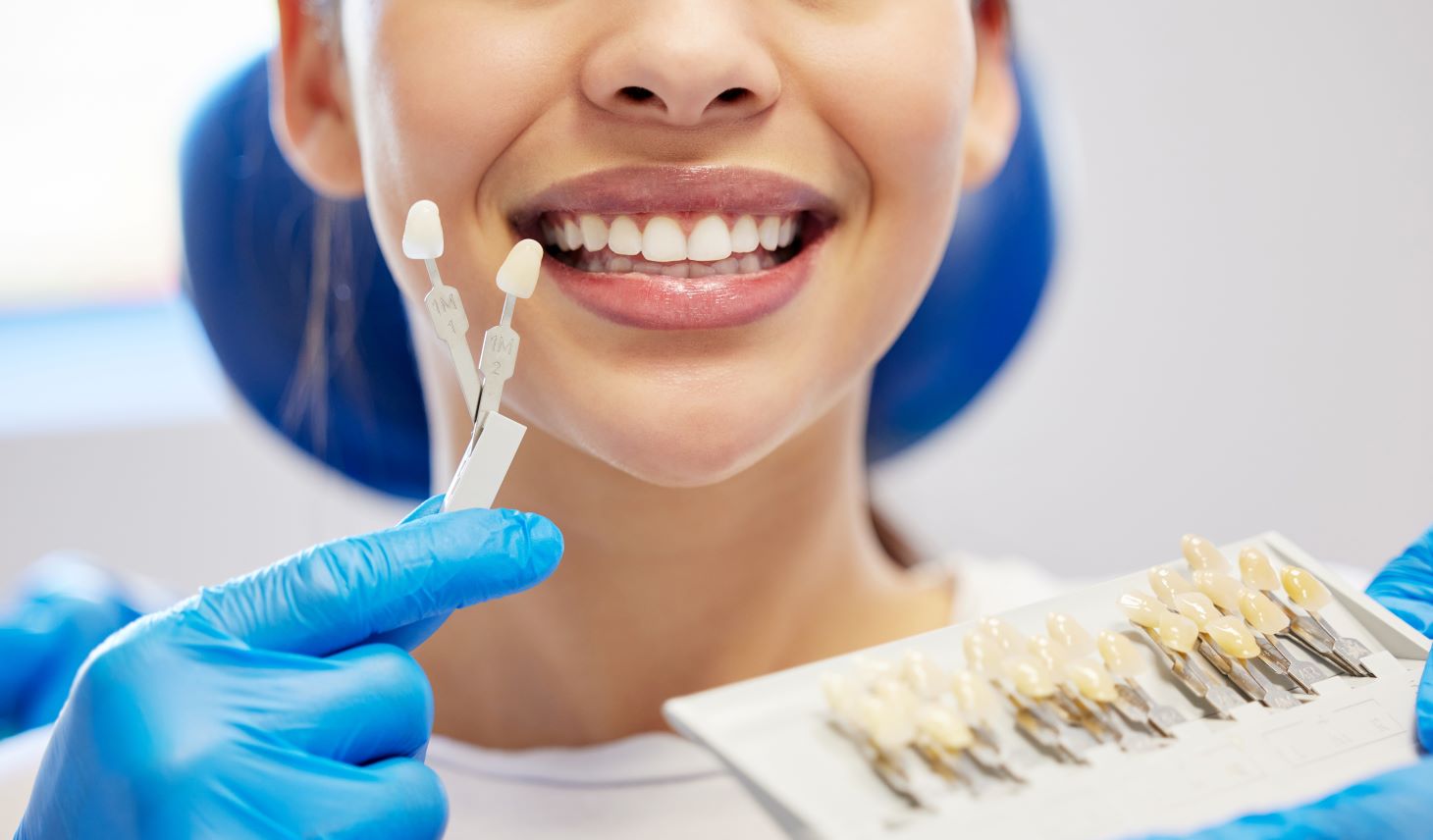
Dental veneers are one of the most popular cosmetic dentistry treatments for achieving a brighter, more balanced, and natural-looking smile. Patients who are considering veneers often ask an important question: How long do dental veneers last? Understanding the lifespan of veneers and how to properly care for them can help ensure long-lasting results.
Average Lifespan of Dental Veneers
High-quality porcelain veneers are designed to be durable and long-lasting. On average, veneers can last 10 to 15 years, and in many cases even longer when properly maintained. Advances in dental materials and cosmetic techniques have made modern veneers stronger and more resistant to staining and wear.
The longevity of veneers largely depends on the quality of the materials used, the expertise of the dentist, and the patient’s oral care habits.
Factors That Affect the Lifespan of Veneers
Several factors influence how long veneers will last. One of the most important is daily oral hygiene. Patients who brush and floss regularly help protect both the veneers and the natural teeth underneath them.
Lifestyle habits can also play a role. Activities such as teeth grinding, biting hard objects, or using teeth to open packages may damage veneers and shorten their lifespan. In some cases, dentists may recommend wearing a night guard for patients who grind their teeth during sleep.
Dietary habits may also affect veneer longevity. While porcelain veneers are resistant to staining, excessive consumption of coffee, tea, red wine, or tobacco can gradually affect their appearance over time.
How to Maintain Your Veneers
Proper care is essential for maintaining veneers and ensuring they last as long as possible. Patients should brush their teeth twice daily using a soft-bristled toothbrush and non-abrasive toothpaste. Flossing regularly is also important to maintain healthy gums and prevent plaque buildup around the veneers.
Routine dental checkups and professional cleanings are equally important. During these visits, your dentist can monitor the condition of your veneers and address any potential issues early.
Habits to Avoid
To protect your veneers, it is best to avoid habits that place excessive pressure on the teeth. Biting into hard foods such as ice, hard candies, or nutshells can damage both natural teeth and veneers. Using teeth as tools to open packages or bottles should also be avoided.
If you participate in contact sports, wearing a protective mouthguard can help prevent accidental damage to your veneers.
Conclusion
Dental veneers are a durable and effective solution for improving the appearance of your smile. With proper care and regular dental visits, veneers can provide beautiful, long-lasting results for 10 to 15 years or even longer.