


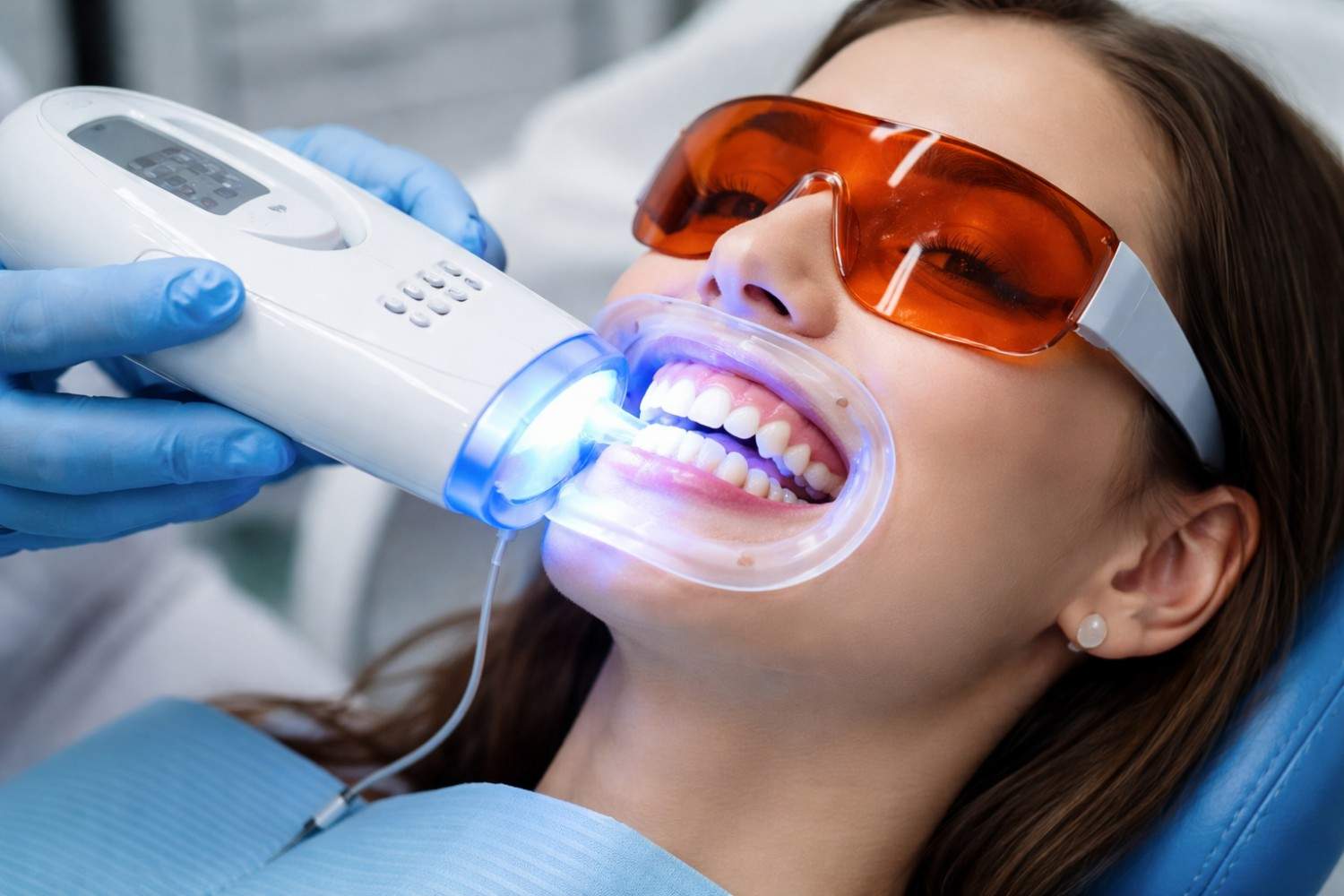
Teeth whitening is one of the most popular cosmetic dental treatments, helping patients achieve a brighter, more confident smile. However, many people experience tooth sensitivity after the procedure, which can sometimes cause concern. The good news? In most cases, this sensitivity is completely normal and temporary.
Why Does Teeth Sensitivity Happen After Whitening?
After a whitening treatment, it’s common to feel a sharp or sudden discomfort when consuming hot, cold, or even sweet foods. This happens because whitening agents (like hydrogen peroxide) penetrate the enamel to break down stains. During this process, tiny pathways in the enamel open up, temporarily exposing the inner layer of the tooth (dentin), where nerve endings are more sensitive.
This is a natural reaction and does not mean that your teeth are damaged—it simply indicates that your teeth are reacting to the whitening process.
How Long Does the Sensitivity Last?
Sensitivity after teeth whitening is usually short-lived. Most patients notice it lasting anywhere from a few hours up to 2–3 days. In some cases, especially for people who already have sensitive teeth, it may last slightly longer.
The intensity also varies:
Mild discomfort is the most common
Occasional sharp sensations when eating or drinking
Rarely, more noticeable sensitivity if whitening was intensive
If the sensitivity continues beyond a few days or becomes severe, it’s best to consult your dentist to rule out underlying issues like enamel erosion or gum recession.
How to Reduce Sensitivity After Whitening
There are simple and effective ways to manage and reduce post-whitening sensitivity:
Use a toothpaste designed for sensitive teeth
Avoid extremely hot or cold foods for a few days
Stay away from acidic drinks like citrus juices and soda
Follow your dentist’s aftercare instructions carefully
Consider spacing out whitening sessions if needed
Dentists often recommend fluoride treatments or desensitizing gels to help calm the nerves and strengthen enamel after whitening.
When Should You Be Concerned?
While sensitivity is normal, certain signs may indicate that you should seek professional advice:
Pain that persists for more than a few days
Severe or worsening discomfort
Sensitivity in a specific tooth rather than generalized
These symptoms could point to other dental concerns that need attention.
Final Thoughts
Experiencing teeth sensitivity after whitening is a common and expected side effect—not a complication. With proper care and guidance from your dentist, this sensitivity fades quickly, leaving you with the bright, beautiful smile you were aiming for.
If you’re considering teeth whitening or have concerns about sensitivity, consulting a professional ensures both safe results and maximum comfort.