


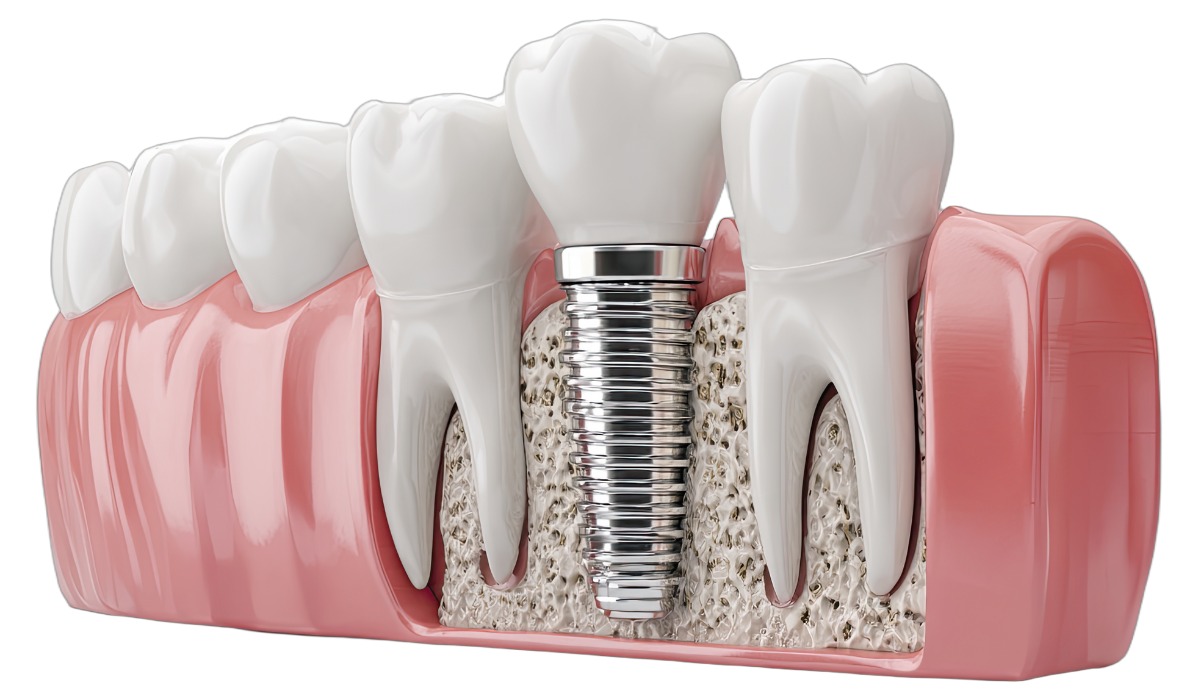
Dental implants are one of the most advanced and reliable solutions for replacing missing teeth. They can restore not only the appearance of your smile but also important functions such as chewing, speaking, and maintaining a healthy bite.
If you are considering dental implants, understanding the treatment process, benefits, recovery, and long-term care can help you feel more confident about your decision.
What Are Dental Implants?
A dental implant is an artificial tooth root, usually made from titanium or another biocompatible material, that is placed into the jawbone to support a replacement tooth.
Once the implant has integrated with the surrounding bone, it can support a dental crown, bridge, or, in some cases, a full-arch restoration.
Unlike traditional removable dentures, dental implants are designed to provide a stable and secure foundation for replacement teeth.
Who Can Benefit From Dental Implants?
Dental implants may be suitable for people who have lost one or more teeth due to decay, trauma, gum disease, or other dental conditions.
The ideal treatment depends on factors such as:
- The condition and amount of available jawbone
- The health of the gums
- Overall oral health
- The number of missing teeth
- Your bite and jaw relationship
- Your personal treatment goals
A professional dental examination and appropriate imaging are essential before treatment to determine whether implants are suitable for you.
What Is the Dental Implant Process?
Every implant case is different, but treatment generally involves several stages.
1. Consultation and Treatment Planning
The first step is a detailed examination. Your dentist evaluates your teeth, gums, bite, and jawbone and may use digital scans or 3D imaging to plan the treatment.
A personalized treatment plan is then created according to your specific dental needs.
2. Implant Placement
The dental implant is surgically placed into the jawbone at the planned location.
Depending on the individual case, additional procedures such as bone grafting or gum treatment may sometimes be required.
3. Healing and Osseointegration
After placement, the implant needs time to integrate with the surrounding bone. This biological process is known as osseointegration.
The healing period varies from patient to patient and depends on factors such as the implant location, bone quality, and the specific treatment performed.
4. Attaching the Final Tooth
Once the implant has adequately integrated and the area is ready, the final restoration can be placed.
The replacement tooth is carefully designed to match the surrounding teeth in shape, color, and proportions.
What Are the Benefits of Dental Implants?
Dental implants offer several potential benefits when appropriately planned and maintained.
Natural Appearance: Replacement teeth can be designed to closely resemble your natural teeth.
Improved Function: Implants can provide a stable foundation for chewing and speaking.
Stability: Unlike removable dentures, implant-supported teeth are anchored to the jaw.
Long-Term Solution: With proper care and regular dental maintenance, implants can provide long-lasting tooth replacement.
Preservation of Bone: Tooth loss can lead to gradual bone loss in the affected area. Dental implants can help maintain stimulation of the jawbone compared with leaving the area without a tooth root.
Are Dental Implants Painful?
Dental implant placement is performed using local anesthesia, so you should not feel pain during the surgical procedure.
It is normal to experience some soreness, swelling, or sensitivity after treatment. Your dentist will provide specific aftercare instructions and recommend appropriate medication when necessary.
The level of discomfort varies depending on the complexity of the procedure and the individual patient.
How Long Do Dental Implants Last?
Dental implants are designed as a long-term tooth replacement solution. However, their longevity depends on several factors, including oral hygiene, gum health, bite forces, lifestyle habits, and regular professional maintenance.
The crown or other restoration attached to the implant may require maintenance or replacement over time, even when the implant itself remains healthy.
Can Dental Implants Replace All of My Teeth?
Yes. Dental implants can be used in different treatment approaches for patients who have lost many or all of their teeth.
Depending on the individual situation, implant-supported bridges or full-arch implant restorations may be used to restore an entire dental arch.
The number and position of implants required depend on the patient’s bone condition, anatomy, treatment plan, and type of restoration.
What Happens If I Do Not Have Enough Bone?
Some patients who have experienced significant bone loss may still be candidates for implant treatment.
Depending on the situation, procedures such as bone grafting or other bone-enhancement techniques may be considered to create a more suitable foundation for an implant.
A detailed clinical assessment and 3D imaging can help determine the available treatment options.
How Should You Care for Dental Implants?
Although implants cannot develop cavities in the same way as natural teeth, the tissues surrounding them still require careful maintenance.
Good oral hygiene includes:
- Brushing twice a day
- Cleaning between the teeth and around the implant
- Following your dentist’s recommended hygiene routine
- Attending regular dental check-ups
- Addressing any gum inflammation or discomfort promptly
Proper maintenance is an important part of protecting both the implant and the surrounding tissues.
Why Is Professional Implant Planning Important?
Successful implant treatment involves much more than simply placing an implant into the jaw.
The position of the implant, the condition of the bone and gums, the bite, the final restoration, and the overall aesthetics of the smile all need to be considered.
Digital dentistry and 3D imaging can help dentists evaluate the patient’s anatomy and plan treatment with greater precision.
At Dr. Joe Karam’s clinic, each implant case is evaluated individually to develop a treatment plan focused on function, aesthetics, and long-term oral health.
Frequently Asked Questions
- How long does dental implant treatment take?
The treatment timeline varies from patient to patient. Some cases can be completed relatively quickly, while others require additional procedures or longer healing periods. Your dentist can provide a more accurate timeline after evaluating your individual case.
- Are dental implants better than dentures?
Dental implants and dentures serve different purposes. Implants provide a fixed foundation and can offer greater stability, while dentures are removable. The best option depends on your oral health, bone condition, budget, and treatment goals.
- Can I get dental implants if I have bone loss?
Possibly. Bone loss does not automatically mean that implants are impossible. Some patients may benefit from bone grafting or other procedures before or during implant treatment. A 3D assessment can help determine the available options.
- How do I know if I am a good candidate for dental implants?
The best way to determine your suitability is through a professional consultation. Your dentist will evaluate your gums, jawbone, remaining teeth, bite, medical history, and overall oral health before recommending the appropriate treatment.
Final Thoughts
Dental implants can provide a stable, functional, and aesthetically pleasing solution for missing teeth. However, successful treatment depends on careful diagnosis, precise planning, appropriate implant placement, and long-term maintenance.
If you are considering dental implants, a personalized consultation is the best first step. An experienced dental team can evaluate your individual situation and explain the treatment options available for restoring your smile.