


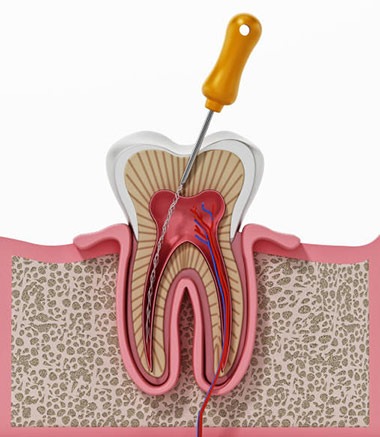
A root canal treatment is a common dental procedure used to treat and save a tooth when the soft tissue inside the tooth, known as the dental pulp, becomes inflamed or infected.
Many patients associate root canals with pain, but modern dentistry has made the procedure much more comfortable than most people expect. When performed at the right time, root canal treatment can relieve pain, eliminate infection, and allow you to keep your natural tooth.
What Is a Root Canal?
Inside every natural tooth is a space containing nerves, blood vessels, and connective tissue called the dental pulp.
If the pulp becomes severely inflamed or infected, it cannot always heal on its own. A root canal treatment involves carefully removing the damaged or infected pulp, cleaning and disinfecting the inside of the tooth, and then sealing it to help prevent further infection.
The goal is to save the natural tooth rather than remove it.
When Is a Root Canal Needed?
A root canal may be recommended when the pulp inside a tooth has become irreversibly inflamed or infected.
Common causes include:
- Deep tooth decay
- A large or leaking filling
- A cracked or fractured tooth
- Dental trauma or injury
- Repeated dental procedures on the same tooth
- Bacterial infection reaching the dental pulp
Your dentist will evaluate your symptoms, examine the tooth, and may use dental X-rays or other diagnostic tools to determine whether root canal treatment is necessary.
What Are the Signs That You May Need a Root Canal?
Symptoms can vary considerably from one patient to another. Some common warning signs include:
Persistent Toothache
Pain that continues or returns, particularly without an obvious cause, may indicate inflammation or infection inside the tooth.
Sensitivity to Hot or Cold
Severe or lingering sensitivity to hot or cold foods and drinks can be a sign that the dental pulp is affected.
Pain When Biting or Chewing
Discomfort when biting down or putting pressure on a tooth may indicate inflammation around the tooth or infection within it.
Swelling Around the Tooth
Swelling of the gum around a specific tooth can sometimes be associated with a dental infection.
Darkening or Discoloration
A tooth that becomes noticeably darker may have experienced damage to its internal pulp.
An Abscess or Pimple on the Gum
A small bump or recurring swelling on the gum near a tooth can be a sign of infection and should be examined by a dentist.
Importantly, not every tooth requiring a root canal causes pain. Some infections can develop with few or no noticeable symptoms.
What Happens During a Root Canal Treatment?
The treatment process varies depending on the tooth and the complexity of the case, but it generally involves several important steps.
1. Examination and Diagnosis
Your dentist first determines the source of the problem. Clinical examination and appropriate imaging help assess the condition of the tooth and surrounding tissues.
2. Local Anesthesia
The area is numbed using local anesthesia to make the procedure comfortable.
3. Removing the Infected Pulp
The dentist creates a small access opening in the tooth and carefully removes the damaged or infected pulp tissue.
4. Cleaning and Disinfecting
The root canal system is carefully cleaned and disinfected to remove bacteria and infected tissue.
5. Sealing the Tooth
After cleaning, the canals are filled and sealed to help prevent bacteria from entering the treated area again.
6. Restoring the Tooth
Depending on the amount of tooth structure remaining, the tooth may require a filling or a dental crown to restore its strength, function, and appearance.
Is a Root Canal Painful?
One of the biggest concerns patients have is whether root canal treatment will be painful.
With modern local anesthesia and contemporary dental techniques, the procedure itself is generally performed comfortably. Some patients may experience tenderness or sensitivity for a few days afterward, particularly if there was significant inflammation or infection before treatment.
If you are experiencing severe dental pain, delaying treatment can allow the underlying problem to become more complicated.
Why Is Saving the Natural Tooth Important?
Whenever possible, preserving your natural tooth is generally preferable to removing it.
A natural tooth helps maintain normal chewing function and contributes to the stability of the surrounding teeth. Removing a tooth may eventually require replacement with an implant, bridge, or another restoration.
Root canal treatment can provide a way to treat the internal infection while preserving the remaining natural tooth structure.
Does a Root Canal Tooth Need a Crown?
Not every root canal-treated tooth necessarily requires a crown. However, teeth that have lost a significant amount of structure—particularly back teeth—may benefit from additional protection.
A crown can help restore the tooth’s shape and function while protecting the remaining tooth structure from fracture.
Your dentist will evaluate the amount of healthy tooth structure remaining and determine the most appropriate restoration.
What Happens If a Root Canal Is Not Treated?
An untreated infection inside a tooth may continue to progress.
It can potentially lead to an abscess, bone loss around the tooth, swelling, and increasing discomfort. In more advanced cases, the tooth may no longer be restorable and extraction may become necessary.
If you experience persistent tooth pain, swelling, or sensitivity, it is important to have the tooth examined rather than waiting for the symptoms to disappear.
Frequently Asked Questions
- How do I know if I need a root canal?
Persistent tooth pain, prolonged sensitivity to hot or cold, pain when biting, swelling, discoloration, or an abscess may indicate a problem with the dental pulp. However, only a professional dental examination can determine whether a root canal is actually necessary.
- How long does a root canal treatment take?
The duration depends on the tooth, the number of canals, the complexity of the case, and the presence of infection. Some treatments can be completed in one appointment, while more complex cases may require additional visits.
- Can a tooth be saved without a root canal?
It depends on the condition of the pulp. If the pulp is irreversibly inflamed or infected, root canal treatment may be necessary to save the tooth. Your dentist will assess the tooth and explain the available treatment options.
- Can I eat normally after a root canal?
Your dentist will give you specific instructions based on your treatment. It is generally advisable to avoid chewing hard foods on the treated tooth until the final restoration has been completed, particularly if the tooth has not yet received its permanent crown or restoration.
Final Thoughts
A root canal does not mean that a tooth needs to be removed. In many cases, it is a treatment designed specifically to save your natural tooth and eliminate infection from inside it.
Recognizing the warning signs and seeking professional dental care early can help prevent a small problem from becoming a more complicated dental issue.
At Dr. Joe Karam’s clinic, each case is carefully evaluated to determine the appropriate treatment for the tooth and to preserve natural teeth whenever possible.