


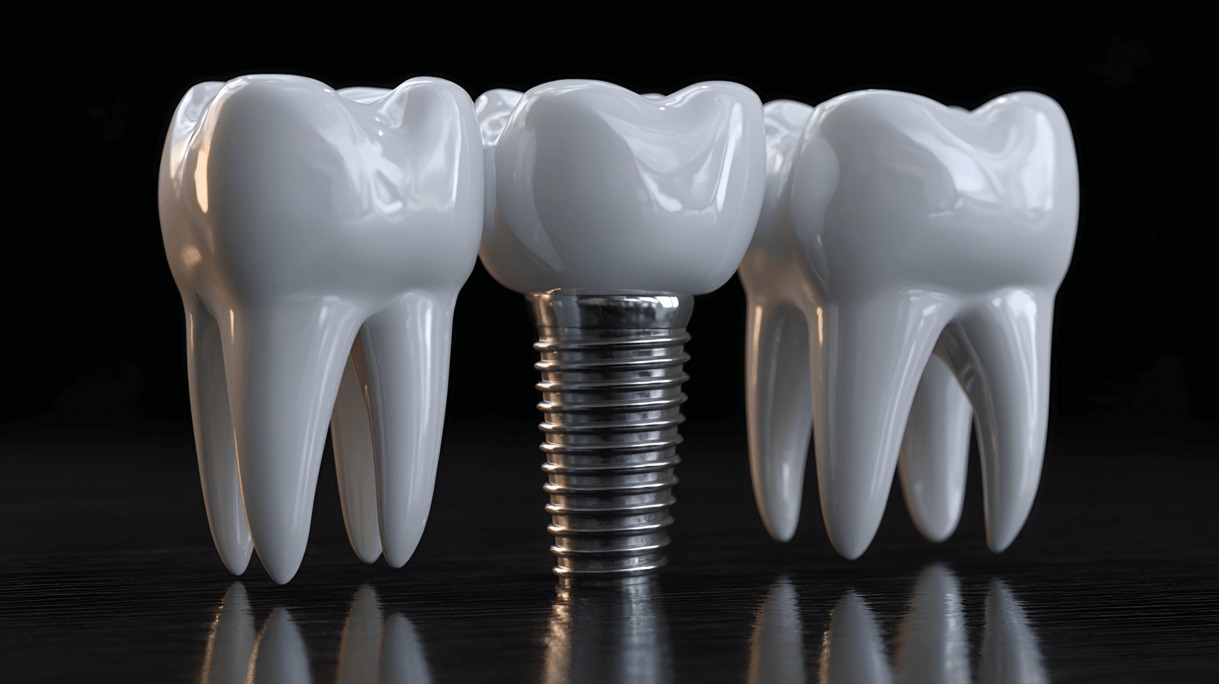
Dental implants are considered one of the most durable solutions for replacing missing teeth. With proper planning, good oral hygiene, and regular professional care, dental implants can provide a long-term solution for many patients.
However, it is important to understand that a dental implant and the crown placed on top of it are two different components, and they may have different lifespans.
How Long Can a Dental Implant Last?
A well-maintained dental implant can potentially last for many years and, in some cases, can remain functional for decades.
The longevity of an implant depends on several factors, including the patient’s oral hygiene, gum health, bone condition, bite, lifestyle habits, and the quality of the treatment and follow-up care.
There is no guaranteed number of years for every patient. Regular dental examinations are essential to monitor the implant and the tissues surrounding it.
How Long Does the Crown on an Implant Last?
The dental crown attached to an implant generally does not necessarily last as long as the implant itself.
Over time, the crown may experience normal wear, chipping, or changes in appearance and may eventually need repair or replacement.
This does not necessarily mean that the implant has failed. In many cases, the implant can remain stable while the visible restoration is replaced.
What Factors Affect the Lifespan of Dental Implants?
Several factors can influence how long an implant remains healthy and functional.
Oral Hygiene
Keeping the teeth, gums, and implant area clean is essential. Poor oral hygiene can allow harmful bacteria to accumulate around the implant and may contribute to inflammation and bone loss.
Gum Health
Healthy gums and supporting tissues are important for the long-term stability of an implant. Regular dental check-ups can help identify inflammation or other problems at an early stage.
Bone Quality and Quantity
The jawbone provides the foundation for the implant. Adequate bone support and proper integration of the implant are important for long-term stability.
Bite and Grinding
Excessive biting forces can place additional stress on an implant and its restoration. Patients who grind or clench their teeth may require additional protection, such as a customized night guard.
Lifestyle Habits
Certain lifestyle factors, including smoking, can negatively affect oral health and may increase the risk of complications around dental implants.
Regular Dental Maintenance
Professional examinations and maintenance allow your dentist to monitor the implant, crown, gums, and surrounding bone over time.
Can Dental Implants Fail?
Although dental implants have high success rates, they are not completely immune to complications.
Problems can occur during the healing stage or years after treatment. Infection, insufficient bone support, excessive forces, poor oral hygiene, and other factors can contribute to implant complications.
The earlier a problem is identified, the better the opportunity to manage it appropriately. This is why regular follow-up appointments are important even when the implant feels completely normal.
How Can You Make Your Dental Implants Last Longer?
Good daily habits can play an important role in protecting your investment.
Brush regularly: Maintain a consistent oral hygiene routine recommended by your dentist.
Clean between your teeth: Pay particular attention to the areas around your implant and restoration.
Attend regular check-ups: Professional examinations help monitor the health of the implant and surrounding tissues.
Avoid using your teeth as tools: Biting extremely hard objects can damage both natural teeth and implant restorations.
Manage teeth grinding: If you clench or grind your teeth, discuss appropriate protection with your dentist.
Follow your dentist’s instructions: Personalized maintenance is essential because every implant case is different.
Do Dental Implants Need Special Care?
Dental implants do not require complicated care, but they do require the same commitment to oral hygiene as your natural teeth.
Your dentist or dental hygienist can recommend the most appropriate brushing, flossing, interdental cleaning, and professional maintenance routine based on the type and position of your implant restoration.
The goal is to keep the implant, restoration, gums, and surrounding bone healthy for as long as possible.
Why Professional Implant Planning Matters
The long-term success of a dental implant begins before the implant is even placed.
Careful evaluation of the jawbone, gums, bite, tooth position, and overall oral health helps create a treatment plan designed around the individual patient.
At Dr. Joe Karam’s clinic, implant treatment is approached with attention to both function and aesthetics, with each case individually assessed and planned according to the patient’s needs.
Frequently Asked Questions
- Can dental implants last a lifetime?
Dental implants can potentially last for decades and may remain functional for a lifetime in some patients. However, longevity varies between individuals and cannot be guaranteed. Proper oral hygiene, healthy gums, regular check-ups, and appropriate bite management can all contribute to long-term success.
- Does the dental implant or the crown last longer?
The implant itself can potentially last much longer than the crown. The crown is exposed to daily chewing forces and may eventually require repair or replacement due to normal wear or damage.
- What can cause a dental implant to fail?
Several factors can contribute to implant complications, including infection around the implant, inadequate bone support, excessive biting forces, poor oral hygiene, smoking, and certain patient-specific factors. Regular professional monitoring can help reduce risks and detect problems early.
- How can I make my dental implants last longer?
Maintain excellent oral hygiene, attend regular dental examinations, protect your teeth if you grind or clench, avoid damaging habits, and follow your dentist’s personalized maintenance recommendations.
Final Thoughts
Dental implants are designed to be a long-term solution for missing teeth, but their longevity depends on more than the implant itself. The health of the gums and bone, the quality of the restoration, oral hygiene, bite forces, and regular professional care all play an important role.
With proper planning and maintenance, dental implants can provide patients with a stable, functional, and natural-looking smile for many years to come.